logo

商品の詳細

Created with Pixso. Created with Pixso. 製品 Created with Pixso.
抵抗ワイヤー
Created with Pixso.

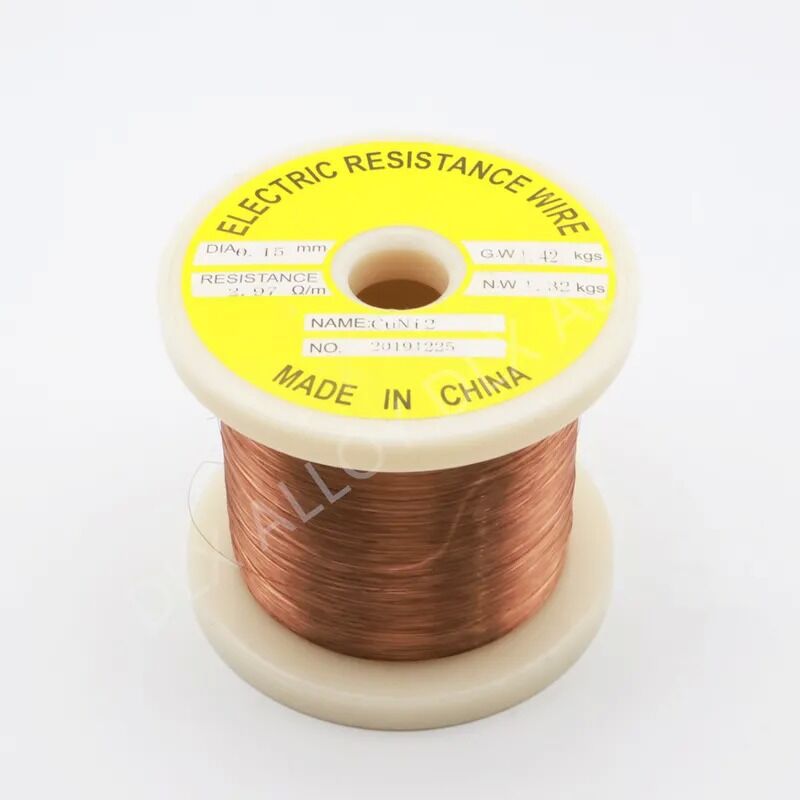
CuNi2 Copper-Nickel Wire: Reliable for Advanced Electrolysis Hydrogen Systems

CuNi2 Copper-Nickel Wire: Reliable for Advanced Electrolysis Hydrogen Systems

ブランド名: DLX
モデル番号: クニウム2線
Moq: 10kg
支払条件: L/C、D/A、D/P、T/T、ウェスタンユニオン
供給能力: 月産500トン
詳細情報
起源の場所:
中国、江蘇省
証明:
Ce,Rohs
供給の能力:
月産500トン
ハイライト:

CuNi2 copper-nickel resistance wire

,

electrolysis hydrogen system wire

,

reliable copper-nickel alloy wire

製品の説明
CuNi2 Copper-Nickel Wire: Reliable for Advanced Electrolysis Hydrogen Systems
CuNi2 Copper-Nickel Wire: Reliable for Advanced Electrolysis Hydrogen Systems 0

As the global energy landscape shifts toward cleaner, renewable sources, hydrogen is gaining recognition as a key player in decarbonizing industries, transportation, and energy storage. Electrolysis, which uses electricity to split water into hydrogen and oxygen, is at the forefront of this hydrogen revolution. To ensure optimal performance and efficiency, advanced electrolysis systems require high-quality, durable materials. CuNi2 copper-nickel wire stands out as an optimal material for these applications, offering a perfect balance of electrical conductivity, corrosion resistance, and thermal stability.

Understanding CuNi2 Copper-Nickel Wire

CuNi2 copper-nickel wire is an alloy composed of 98% copper and 2% nickel. This combination delivers the optimal properties of both metals: copper's excellent electrical conductivity and nickel's corrosion resistance and thermal stability. These characteristics make CuNi2 wire an ideal choice for hydrogen electrolysis systems, where electrical efficiency, durability, and long-lasting performance are critical.

During the electrolysis process, electrical current passes through water to break it into hydrogen (H₂) and oxygen (O₂). CuNi2 wire serves as a resistance element in electrolysis cells, transferring electrical energy efficiently while withstanding the harsh conditions of both alkaline and PEM (Proton Exchange Membrane) electrolysis. By using CuNi2 wire, you can ensure high-efficiency hydrogen production, a long system lifespan, and reduced maintenance costs.

Material Properties Comparison
Properties Material Resistivity 200°C μΩ.m Max Working Temperature (°C) Tensile Strength (MPa) Melting Point (°C) Density (g/cm³) TCR *10⁻⁶/°C (20-600°C) EMF vs Cu (μV/°C) (0-100°C)
CuNi1 0.03 200 210 1085 8.9 <100 -8
CuNi2 0.05 200 220 1090 8.9 <120 -12
CuNi6 0.1 220 250 1095 8.9 <60 -18
CuNi8 0.12 250 270 1097 8.9 <57 -22
CuNi10 0.15 250 290 1100 8.9 <50 -25
CuNi14 0.2 300 310 1115 8.9 <30 -28
CuNi19 0.25 300 340 1135 8.9 <25 -32
CuNi23 0.3 300 350 1150 8.9 <16 -34
CuNi30 0.35 350 400 1170 8.9 <10 -37
CuNi34 0.4 350 400 1180 8.9 0 -39
CuNi44 0.5 400 420 1200 8.9 <-6 -43
Available Size Range
Wire: 0.08-7.5mm
Ribbon: (0.05-0.35)×(0.5-6.0)mm
Strip: (0.50-2.5)×(5-180)mm
Rod: 8-50mm
Key Features of CuNi2 Copper-Nickel Wire
Exceptional Corrosion Resistance
CuNi2 wire's nickel content provides superior corrosion resistance, essential for electrolysis systems exposed to alkaline and acidic electrolytes. This ensures functionality in aggressive environments, significantly extending system lifespan and reducing replacement frequency.
High Electrical Conductivity
Leveraging copper's high electrical conductivity, CuNi2 wire ensures minimal energy loss during electrolysis. Efficient energy transfer leads to better hydrogen production rates, improving overall efficiency and cost-effectiveness.
Superior Thermal Stability
CuNi2 wire withstands high temperatures up to 300°C, making it ideal for high-temperature electrolysis. Its thermal stability ensures reliable performance during thermal cycling in demanding environments.
Mechanical Strength
With excellent tensile strength of approximately 430 MPa, CuNi2 wire endures mechanical stresses in electrolysis processes, maintaining structural integrity under high pressure and minimizing failure risk.
Low Coefficient of Thermal Expansion
The low coefficient of thermal expansion prevents excessive expansion or contraction with temperature fluctuations, reducing material fatigue and thermal stress for reliable long-term performance.
CuNi2 Copper-Nickel Wire: Reliable for Advanced Electrolysis Hydrogen Systems 1 CuNi2 Copper-Nickel Wire: Reliable for Advanced Electrolysis Hydrogen Systems 2
Performance Benefits for Electrolysis Systems
Improved Hydrogen Production Efficiency
High electrical conductivity minimizes energy loss, while corrosion resistance ensures optimal functionality, maximizing output while reducing energy consumption.
Increased Durability and Reliability
Withstands harsh operating conditions including thermal cycles, high pressures, and corrosive electrolytes, reducing maintenance needs and extending operational life.
Cost-Effectiveness for Large-Scale Operations
Long lifespan and low maintenance requirements deliver significant cost savings for large-scale hydrogen production operations.
Versatility Across Electrolysis Technologies
Suitable for both alkaline electrolysis and PEM electrolysis systems, providing consistent performance across different hydrogen production methods.
Industry Trends: Hydrogen Production and Green Energy

Hydrogen is gaining significant traction in the clean energy transition due to its potential to decarbonize hard-to-electrify sectors like transportation, industrial processes, and energy storage. The demand for green hydrogen—produced via electrolysis powered by renewable energy—is rapidly growing as nations work toward achieving net-zero emissions by 2050.

The global focus on clean energy is driving investment in electrolysis technology as a key method for producing hydrogen without greenhouse gas emissions. As the market for green hydrogen expands, the need for efficient, durable, and scalable electrolysis systems becomes more critical. CuNi2 copper-nickel wire meets these demands by enhancing system efficiency, reducing maintenance, and supporting cost-effective hydrogen production at scale.

Applications of CuNi2 Copper-Nickel Wire
Hydrogen Production via Electrolysis
Used in alkaline electrolysis and PEM electrolysis systems as a crucial component for generating high-efficiency hydrogen.
Fuel Cells
Ideal for fuel cells requiring materials that withstand high-temperature electrochemical processes while maintaining electrical conductivity and corrosion resistance.
Energy Storage and Conversion Systems
Used in energy storage applications requiring reliable materials for efficient energy storage and conversion.
Industrial Heating Applications
Excellent for industrial heating systems where high temperatures and mechanical stress are common, thanks to its thermal resistance and electrical properties.
CuNi2 Copper-Nickel Wire: Reliable for Advanced Electrolysis Hydrogen Systems 3 CuNi2 Copper-Nickel Wire: Reliable for Advanced Electrolysis Hydrogen Systems 4
Why Choose DLX for CuNi2 Copper-Nickel Wire?
Premium Quality and Consistency
Every batch meets the highest standards of performance and durability, ensuring long-lasting reliability for your electrolysis systems.
Custom Solutions
We offer customized wire diameters and lengths to fit your specific electrolysis system requirements, ensuring optimal performance and compatibility.
Global Distribution and Quick Shipping
With our global distribution network, we guarantee on-time delivery to meet your project timelines, regardless of location.
Expert Technical Support
Our team provides technical guidance and support to help you select the right materials for optimal hydrogen production system results.
CuNi2 Copper-Nickel Wire: Reliable for Advanced Electrolysis Hydrogen Systems 5 CuNi2 Copper-Nickel Wire: Reliable for Advanced Electrolysis Hydrogen Systems 6 CuNi2 Copper-Nickel Wire: Reliable for Advanced Electrolysis Hydrogen Systems 7
Frequently Asked Questions
What is CuNi2 copper-nickel wire made of?
CuNi2 wire consists of 98% copper and 2% nickel, combining copper's electrical conductivity with nickel's corrosion resistance and thermal stability.
How does CuNi2 wire improve hydrogen production?
CuNi2 wire ensures efficient energy transfer, reducing energy loss and improving hydrogen production efficiency in electrolysis systems.
Is CuNi2 wire resistant to high temperatures?
Yes, CuNi2 wire can operate at temperatures up to 300°C, making it ideal for high-temperature electrolysis systems.
What is the lifespan of CuNi2 wire in electrolysis systems?
Due to its corrosion resistance and mechanical strength, CuNi2 wire has a long lifespan, reducing the need for frequent replacements.
Can CuNi2 wire be used in both alkaline and PEM electrolysis?
Yes, CuNi2 wire is suitable for both alkaline electrolysis and PEM electrolysis, providing consistent performance across different hydrogen production methods.
What industries use CuNi2 wire?
CuNi2 wire is used in hydrogen production, fuel cells, energy storage, and industrial heating applications.
How can I customize CuNi2 wire for my electrolysis system?
DLX offers customized diameters, lengths, and specifications to ensure the wire meets your specific system requirements.
Why should I choose DLX for CuNi2 wire?
DLX provides high-quality materials, custom solutions, and expert technical support, ensuring the best performance for your hydrogen production systems.